No Products in the Cart
Buy 3 Shirts - Shipping Is On Us (Excludes Custom Orders) !




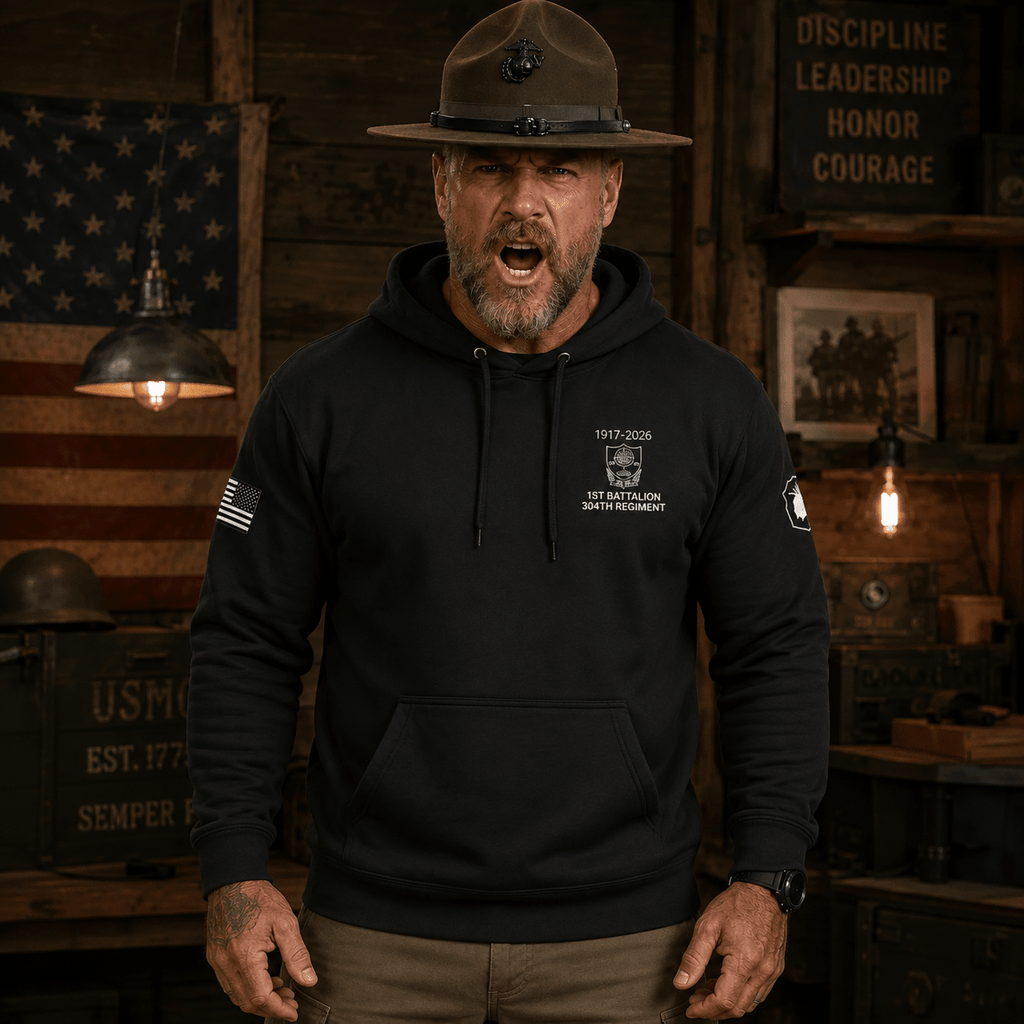
The first unit-shirt order is done. Now new members want in, someone missed the deadline, or the next reunion is on the calendar. A reorder should not mean rebuilding the design from screenshots and trying to remember which black shirt you bought.
Start with a short reorder packet: the previous order reference, approved artwork, exact garment, updated size totals and your new deadline. Then ask for current availability, pricing and timing. An old order is a useful reference—not a guarantee that every detail can be repeated unchanged.
There are three different requests people call a reorder:
For a visible example of related unit apparel, compare our Patriots 1st Battalion 304th Regiment shirt and Patriots hoodie. The hoodie listing specifically advises ordering one size up. That is a product-specific note, not a rule for every custom hoodie.
Keep these details together in a folder the next organizer can use:
Do not send payment details, private personnel rosters or sensitive unit information in a public comment or shared link. The quote usually needs garment totals, not everyone's personal information.
People join, leave and change their preferred fit. Ask every buyer to confirm the current garment and size chart. Keep tees and hoodies on separate lines, even when the printed design is related.
For example, a hypothetical 60-shirt reorder might be 5 small, 15 medium, 20 large, 15 XL and 5 2XL. Those numbers total 60; they are not a recommended size mix for your unit. Use actual requests rather than guessing a standard distribution.
Set a response deadline and assign one person to reconcile the totals. If late requests arrive, ask whether they can join the current run or need a separate quote. Do not promise the same per-shirt price for a much smaller follow-up.
For a copyable group message and a private tally workflow, follow our guide to collecting unit shirt sizes. It covers duplicate replies, corrections, canceled requests, and the final count.
Ask whether the original garment and color are still available. If a substitute is proposed, compare the fit, fabric, color and print area before approving it. A shirt that looks close on a screen may not match an older, washed garment exactly.
Also confirm current pricing and the delivered total. Quantity, garment choice, print locations and artwork revisions can change the quote. Our custom unit shirt cost guide explains what to include when comparing estimates.
Check spelling, unit numbers, dates, front/back orientation and sleeve placement. If the artwork has a year on it, say explicitly whether that year should stay or change. “Same as last time” is not enough when the event date has moved.
For a hoodie extension, check how the pocket, hood and seams affect the design. Review our front, back and sleeve design guide before adding more print locations. Keep the approval in writing so the next organizer knows which version was final.
We would like a quote for a repeat unit-shirt order.
Previous order reference/date: [details]
Exact repeat or changes: [list every change]
Garment and color: [details]
Quantities by size: [totals]
Print locations: [front/back/sleeves]
Needed in hand by: [date]
Delivery destination: [city/state or requested shipping details]
Approval contact: [name]
Please confirm garment availability, any artwork requirements, current delivered pricing and estimated timing before we proceed.
Send the essentials through our custom military unit shirt quote form. Note that it is a reorder in the project details and include the previous order reference if you have one. Ask how to provide the artwork securely rather than assuming files are still retained or can be uploaded through the form.
Planning the unit's first order instead? Use the first-order checklist. For a reorder, the goal is simpler: preserve what worked, clearly identify what changed, and approve the details before the next run.
